


Tribal Relations
Highlights
Tribal Relations App

Sacred Sites

Best Practices Guide
Updates
Collaborative Capacity Program (CCP)
Funds collaborative projects that improve wildfire resilience, recreation, restoration, rural economies, and Tribal co‑stewardship. Eligible applicants include federally recognized Tribes and Tribal organizations, nonprofits, local governments, and colleges/universities, with fiscal sponsorship allowed.03/17/2026 - American Indigenous Tourism Association – NATIVE Act RFP (FY 2026)
Supports cultural tourism, interpretation, and recreation initiatives tied to U.S. Forest Service lands. Eligible applicants include Tribal Nations, Tribal enterprises, and Indigenous nonprofits.02/18/2026 - Wood Innovations Program
Provides up to $95M for projects that advance innovative wood products, wood construction, wood energy, and processing capacity. Eligible applicants include private businesses, nonprofits, Tribes, state and local governments, higher‑education institutions, and public utility, fire, conservation, and school districts.09/11/2025 - Forest Service Chief Tom Schultz signs letter of intent regarding Forest Service Tribal Relations (PDF, 878 KB)
This letter outlines Forest Service Chief Tom Schultz’s direction to strengthen and expand partnerships with federally recognized Tribes and Alaska Native Corporations, reaffirming the government to government relationship and emphasizing Tribal partnership as essential to meeting national goals for forest management, wildfire risk reduction, and shared stewardship.
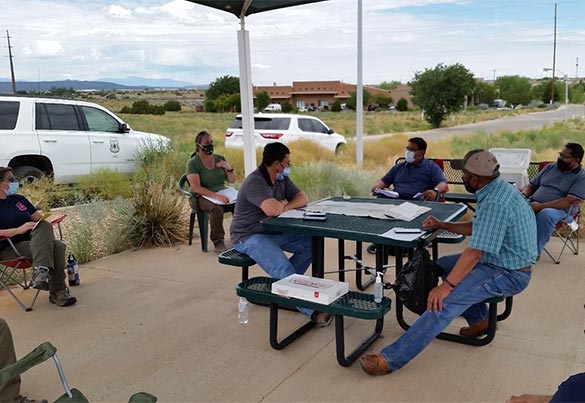
The Forest Service consults with Tribal Nations on policies that may affect Tribes. Office of Tribal Relations maintains a schedule for national-level consultation.

Forest Service strives to increase benefit for Tribes from Agency programs. The Agency also benefits from Tribal input, especially Indigenous knowledge.

Federal land managing agencies hold in public trust a great diversity of landscapes and sites, including many culturally important sites held sacred by Tribal Nations.
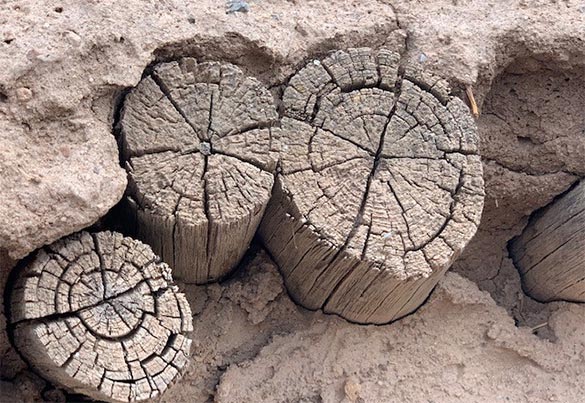
Forest Service guide for reburials of human remains and cultural items, temporary closure and forest products for traditional and cultural use, and prohibition on information disclosure.

The Forest Service Research and Development Tribal Engagement Roadmap aims Tribal Nations to guide development of ethical and significant research partnerships with Tribal Nations.

The Dibaginjigaadeg Anishinaabe Ezhitwaad: A Tribal Climate Adaptation Menu is an extensive collection of climate change adaptation actions for natural resource management.