


Safety and Outdoor Ethics
As a visitor to our National Forest, you will find many opportunities to explore nature and enjoy its many woodlands, river, lakes, and its endless recreational activities. To take full advantage of what this National Forest has to offer you; we ask that you prepare yourself in advance for each trip and adventure. It is important that you learn about the area, from its weather and terrain, to the rules and regulation that may govern the activity you will be participating in.
Visitors should be considerate of other forest users, nature, wildlife and the lands that make up this Forest.
We want each of your adventures to be safe and memorable so we have provided some general information links that you may find useful and helpful. We hope you will enjoy your time spent on the Mark Twain National Forest and that you will return again.
Don't forget to Tread Lightly and remember Leave No Trace.
The forest contains some natural hazards, and visitors to our national forest may also find unforeseen hazards and dangers that present unpredictable challenges. By being prepared, you can minimize those hazards and make your trip safer. Remember that your safety is your responsibility.
If You Get Lost
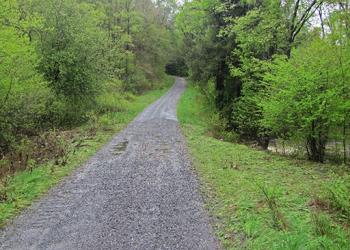
- Pay attention.
- Stay calm.
- Stay put.
- As a last resort, follow a drainage or stream downhill. This can be hard going but will often lead to a trail or road.
If There Is An Emergency
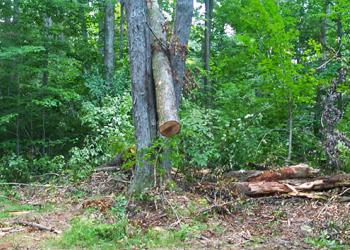
- Call 911.
- Stay calm.
- Don't rely on cell phones.
- Know your location, the nature of the injury, and information about the injured person.
- Remember response times can be lengthy in remote areas.
Before You Visit
- Plan before you visit. Be sure to check the immediate and extended forecast.
- Ask yourself if you are prepared should your visit end up being prolonged due to unanticipated conditions.
- Tell someone where you are going. Be specific and give an estimated time of arrival back. Consider carrying a Personal Locator Beacon or a Satellite Messenger device just in case the unexpected happens. Some Forest areas may have a registration box available to document your visit…be sure to sign in with your trip details if available.
- Dress for the forecast but plan for the unexpected. Keep extra warm, dry clothes in your vehicle. If you plan to hike, consider adding appropriate warm, weatherproof clothing to your pack.
- Cell phone coverage may be limited or non-existent. Coverage may be improved on hill tops with minimal vegetative cover but, should not be expected. Plan accordingly for reliable communications. Also, consider a battery backup or portable charging system for your phone if you plan to use it.
- Carry extra food, water, and snacks. Winter weather could impact your time in the Forest…plan ahead to remain comfortable in the event your trip takes longer than expected.
- If snow is on or is anticipated, consider wearing sunglasses. Even on a cloudy day snow can create quite a glare.
- If you are traveling with a pet(s) or pack animal(s). Plan for their comfort and protection.
- If you are dependent on medication, make sure you have extra on hand and that it is stowed appropriately against potentially damaging weather conditions.
Transportation routes maintained by the Forest are not treated or cleared during inclement weather. Routes may become impassable especially during ice storm events.
Vehicle Travel
Snow and ice events are capable of knocking limbs from trees and even toppling trees. Watch for overhead hazards during snow and ice load events. Reconsider travel if there is a possibility transportation routes could be become blocked due to fallen trees and limbs.
If you become stranded in your vehicle:
- attempt to move it to a location out of the path of travel if an accident is possible;
- attempt to use a communication device to request assistance;
- shut the engine off to conserve fuel if conditions permit …only run the engine long enough to supply necessary heat;
- avoid draining the vehicle battery;
- leave the vehicle only if you are physically fit and equipped to travel on foot in the conditions and as a last resort if communications are unavailable.
If your visit will be by vehicle, consider adding the following items to your inventory for the trip:
- a full tank of gas; a map of the area;
- an ice scraper;
- extra clothing,
- outerwear including gloves, warm hats, and; footwear;
- blankets;
- chargers for portable devices;
- hand tools that might aid in clearing blocked transportation routes in an emergency;
- climate stable rations beyond what you anticipate using as part of your planned trip;
- instant hand warmer packs;
- communication devices not dependent on battery power or cell signal; and
- if space and storage permit, extra fuel.
Foot Travel
Footwear selection is always critical while visiting the Forest. During the winter months make sure the footwear you chose is based on the activity you plan to engage in. Consider footwear with traction; with at least some level of waterproofing; and perhaps insulation. Always wear moisture wicking socks that will help to keep your feet dry and warm.
If your visit will be on foot, consider adding the following items to your travel pack:
- a map of the area;
- extra clothing including socks, gloves, and outerwear stowed in a waterproof container;
- the means to build an emergency use warming fire;
- a waterproof covering;
- climate stable rations beyond what you anticipate using as part of your planned trip;
- instant hand warmer packs;
- communication devices not dependent on battery power or cell signal;
- a flashlight;
- a first aid kit; and
- a space blanket.
Check the forecast before you visit:
If you would like to view the map full screen or your website does not support the embedded map, please visit the National Weather Service Website.
Roads, Driving, and Vehicle Safety
Gravel roads present their own special road safety challenge. The issue is traction.
Driving on loose gravel is harder than driving on pavement because your tires don't have the traction needed to give you stable control. Throw speed into the mix, and you have a formula for trouble.
That's why it's so important to approach gravel roads with caution each and every time you encounter one. It may not be the same road you traveled this morning.
- Leaving a paved surface for a grave l one. The first thing to remember is to slow down. Your vehicle is going to handle differently when it moves from one surface to another. The gravel may be loose, or it may be hard-packed; you want to know how your car handles before you speed up.
- Avoid sudden changes in direction, such as a swerve to avoid an object or animal on the road.
They can be particularly dangerous, especially on loose gravel or at excessive speed.
- Stopping or speeding up too quickly. Always drive at a speed that allows you to stop easily for any hazard. Accelerate and brake slowly, and reduce your speed when approaching blind intersections, bushes and hills. Be considerate, too. As you approach other vehicles, slow down and move over to the right so you can pass each other safely and avoid stone chips.
- Stay back and keep a good fo ll owing distance. Even if the visibility is good and the road is hard-packed, stay at least 6 seconds behind other vehicles. Increase this distance when conditions are less than perfect. This reduces the danger from a cloud of dust obscuring vision or flying rocks damaging headlights and windshields.
- Stay on the tracks. If you're the only one on the road, drive in the tire tracks that exist. Even if the tracks are in the middle of the road, it's safer to drive in the tracks than to be too close to a deep ditch or a soft shoulder. Of course, always scan ahead for oncoming traffic, and move to the right if a vehicle is approaching.
- Rollovers. It's easy for a distracted driver to allow the tires on one side of the car to wander off the road while traveling at higher speeds. Don't turn the steering wheel and jam on the brakes. This can cause the car to start into a sideways skid, where it may tip and roll over several times before stopping. If the tires on one side of the vehicle go off the pavement, don't immediately turn the wheel to try to get back on the pavement. Let your foot off the gas and steer the car so it follows the edge of the pavement. Slowly turn the steering wheel to gradually guide the tire back to the road.
Be ready for skids. A vehicle can become difficult to handle in heavy gravel. If the vehicle starts to skid, remove the cause of the skid by releasing your accelerator or brakes. As you release them, look where you want to go, steer the vehicle in this direction. Remember, drive for the road conditions not the speed limit.
As peaceful as the forest may seem, a few visitors may experience auto break-ins. To prevent break-ins:
Lock your car. As simple as this seems, many people still forget.
Don’t leave your travel plans on the windshield of your car. Thieves use this "window of opportunity" to break in, since they know you may not be nearby. Leave your plans with the district office or someone at home, like a neighbor, relative or friend. Include what trails you plan to hike and an estimate of your return time.
Don’t leave valuables inside your car. If you must leave valuables, hide them from view or lock them in the trunk. Empty the glove compartment and leave it open to show that nothing is inside.
Don’t park your car with the trunk backed toward the woods. This provides cover for someone trying to break into your trunk. If your car has been vandalized, contact local law enforcement officials.
More Information to Make Your Visit Safe and Enjoyable
Enjoy the Outdoors
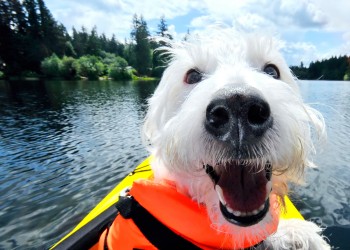
Pets, Camping, Hunting and Trail safety, and Water Safety information
Stay Safe

Drinking water, insects, poisonous plants, abandoned mines, and other people
Brave the Elements
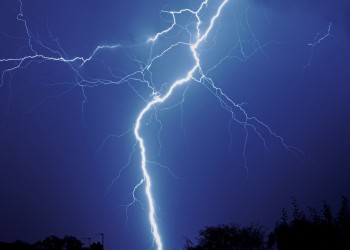
Hypothermia, earthquakes, lightening, tornados, flooding, forest fires, and hazard trees
Respect Wildlife

Bears, deer, feral swine, and snakes